Robot catalog & reviews for the Thai market
Youshouldautomatethat is an independent robot catalog and review site for the Thai market. We put specs, approximate price ranges, and real use cases for AGV/AMR (autonomous material-handling robots), service, cleaning, and humanoid robots side by side. We do not sell robots.
- Models listed
- 40+
- Categories
- 4+
- Brands
- 10+
- Articles
- Weekly

Independent · brand-agnostic
Sourced direct from manufacturers
Coverage
Four robot categories we cover
Independent coverage from AGV/AMR through humanoids — specs, approximate price ranges, and real use cases.
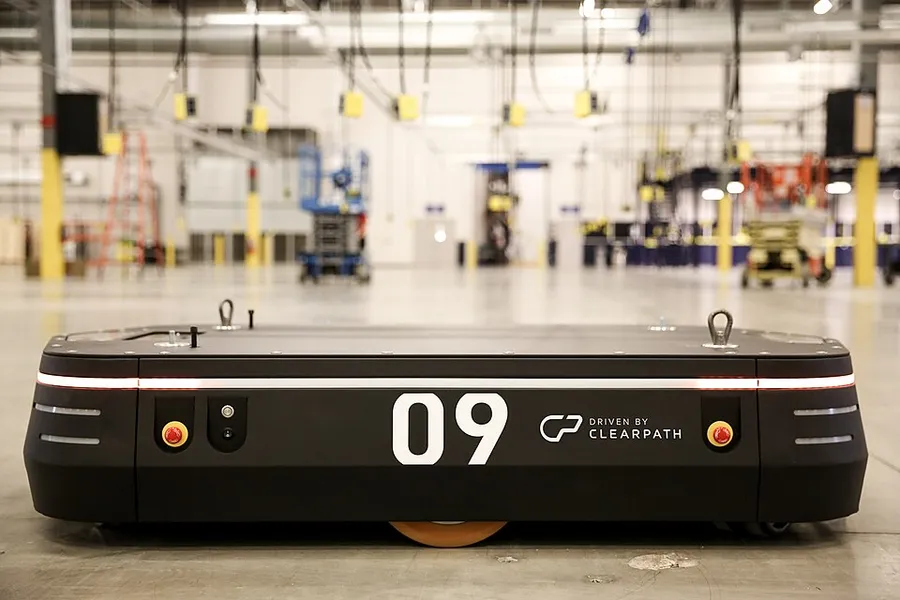
AGV / Autonomous Mobile Robot (AMR)
Autonomous material-handling robots for factories and warehouses
Read more
Service Robots
Restaurants, hotels, hospitals, malls
Read more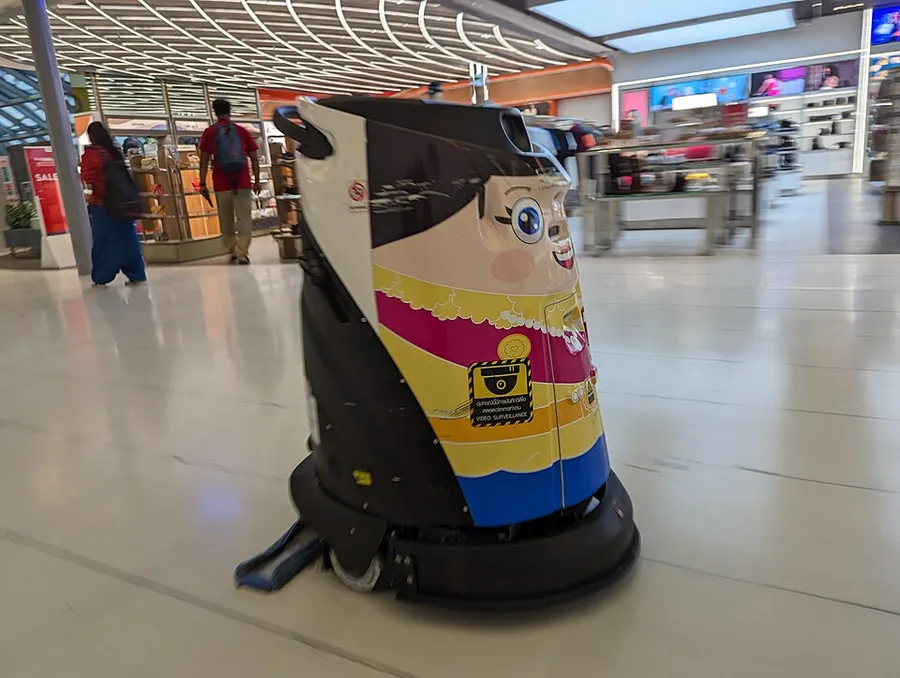
Cleaning Robots
Malls, airports, warehouses, offices
Read more
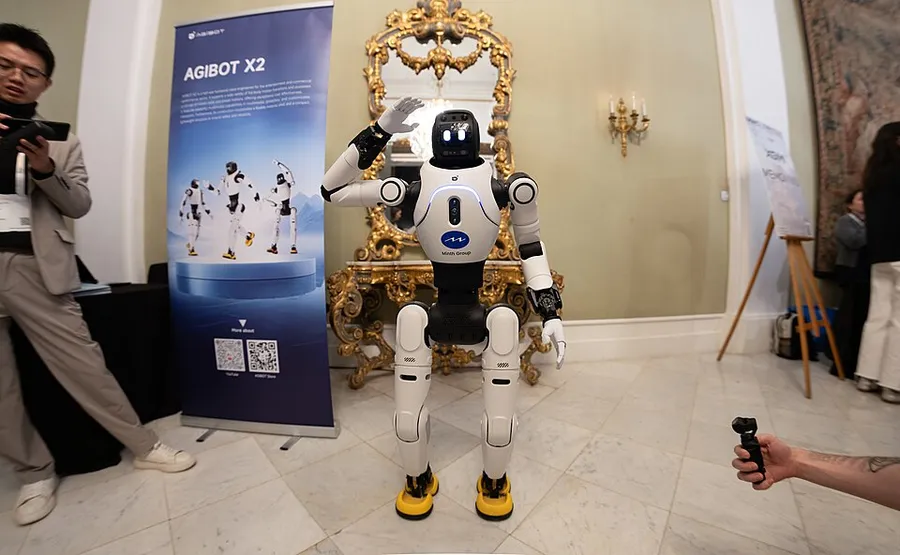
Humanoid Robots
Research, demos, and emerging applications
Read moreCatalog
Popular robot categories
Pick by task, payload, and reach. Each category lists representative brands and specs.
Geekplus AGV / AMR Mobile Robots
Automated material transport for factories and warehouses. AGVs follow fixed paths; AMRs navigate dynamically via SLAM.
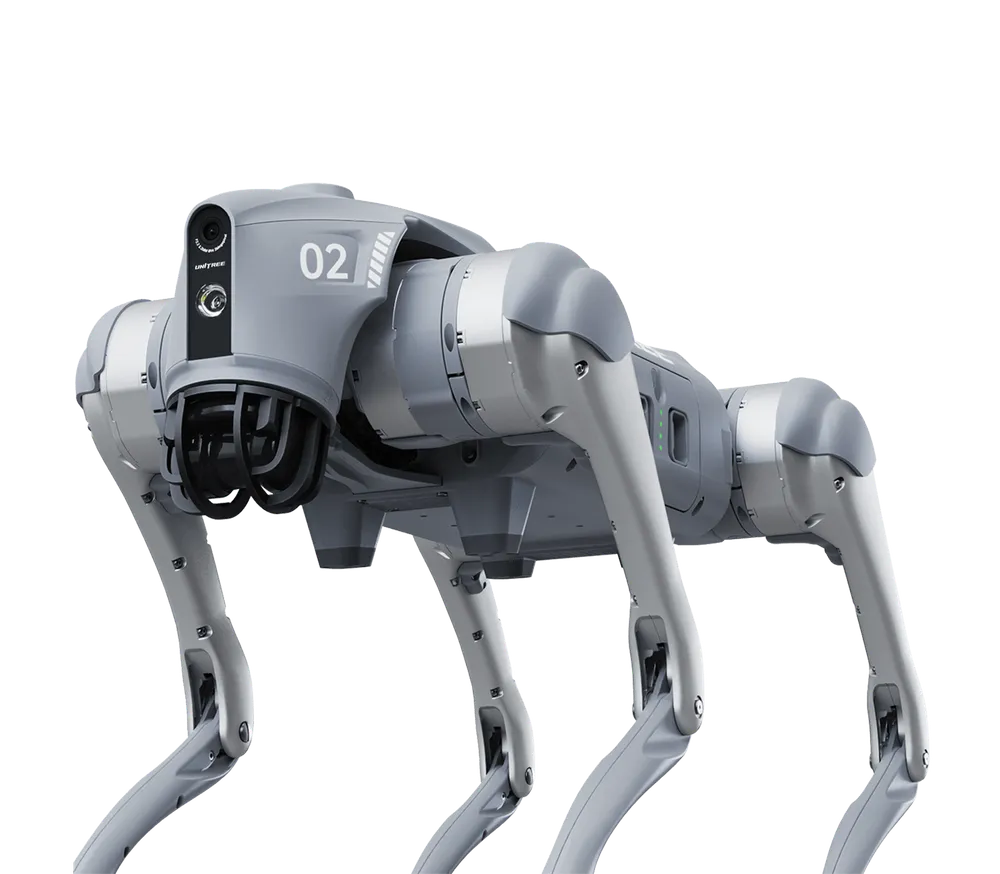
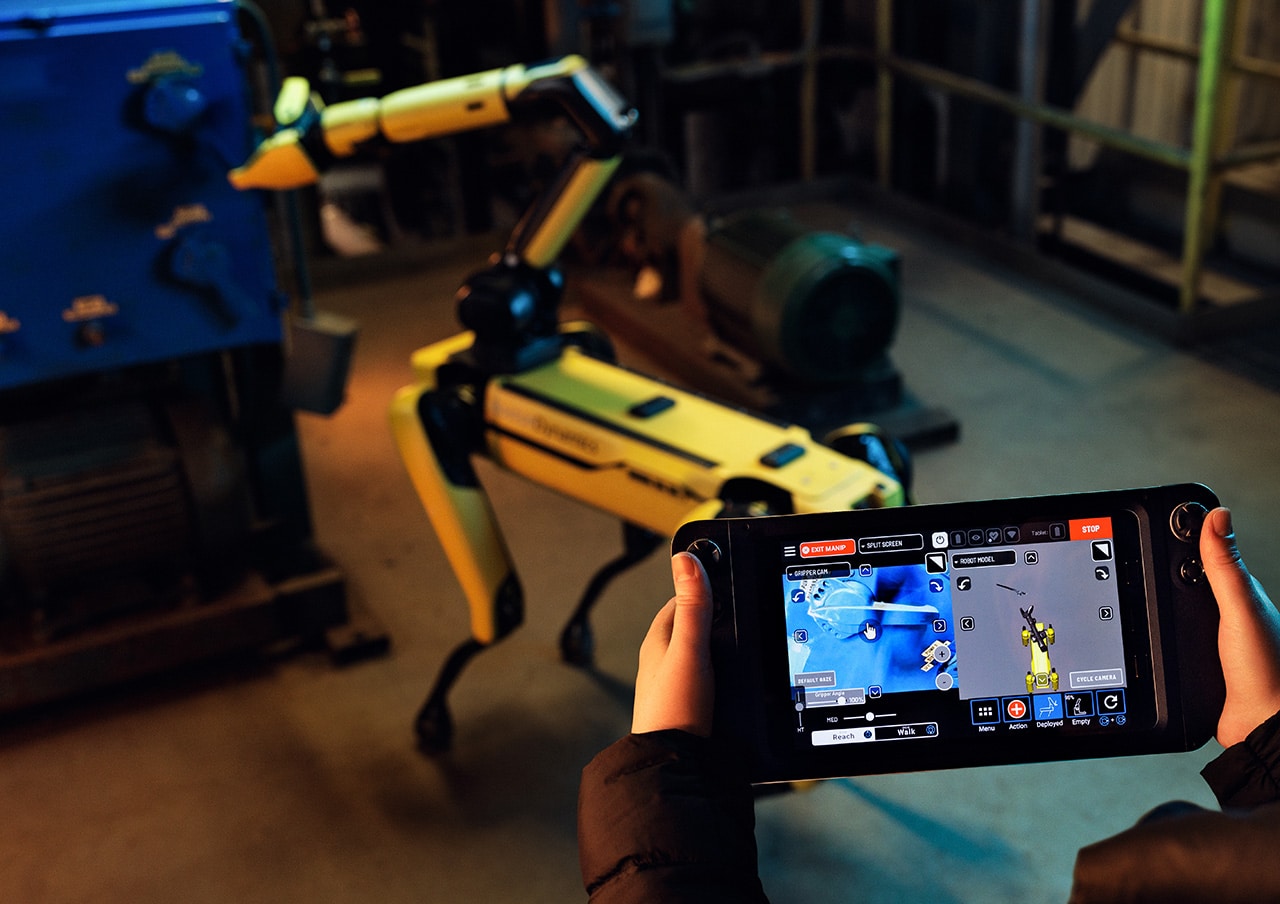
Unitree Humanoid & Quadruped Robots
The 2026 frontier, Figure, Optimus, Unitree, and XPENG are entering factory pilots. Quadrupeds already ship for inspection.
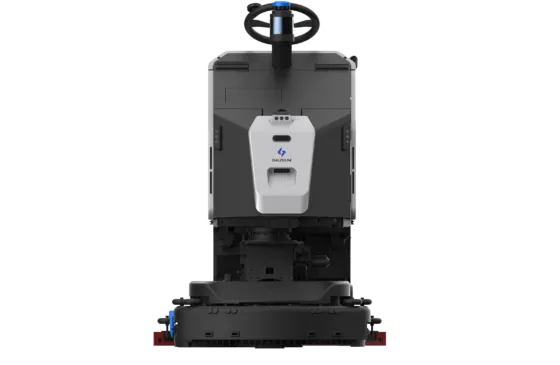
Avidbots Cleaning Robots for Factories and Warehouses
Autonomous cleaning robots for factories, warehouses, malls, and airports, scrub, sweep, vacuum with auto docking for water refill, drainage, and charging. 24/7 operation.
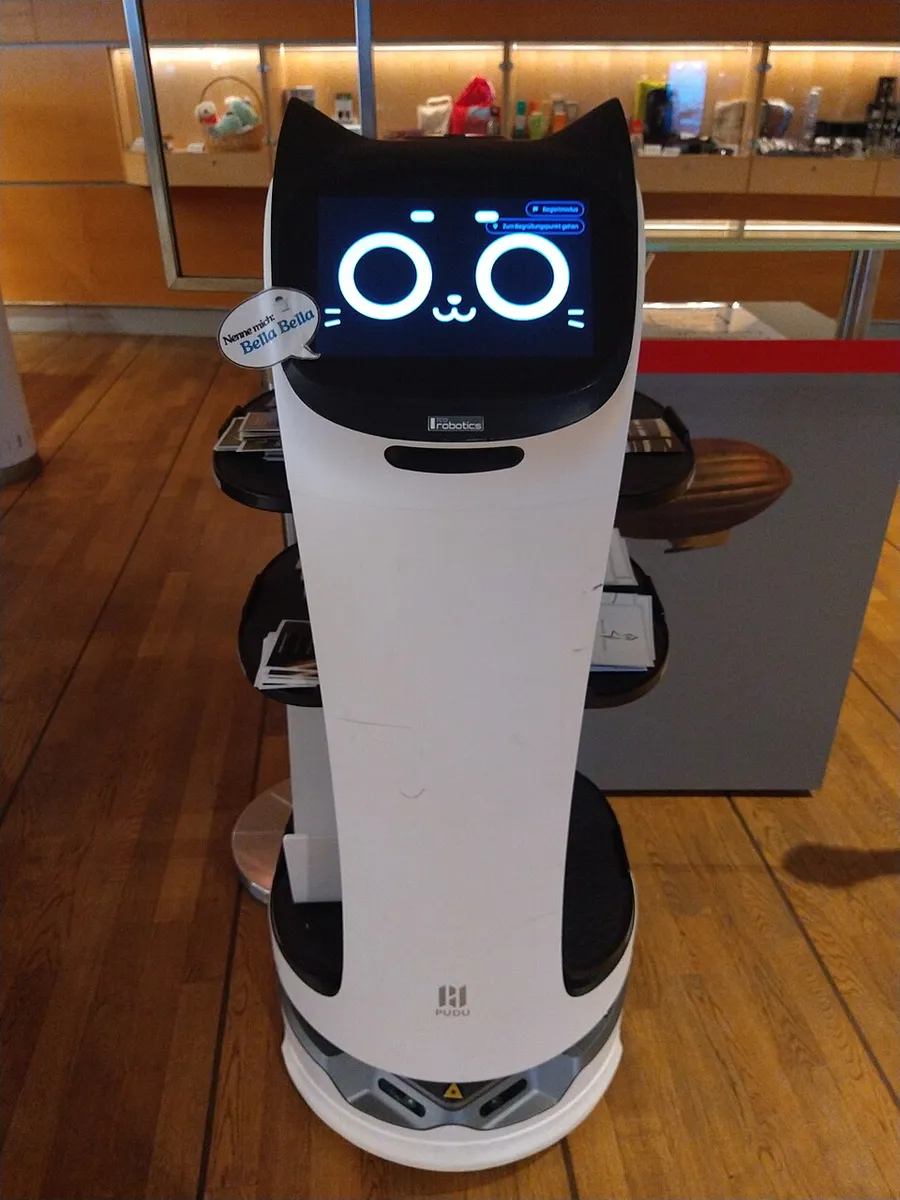
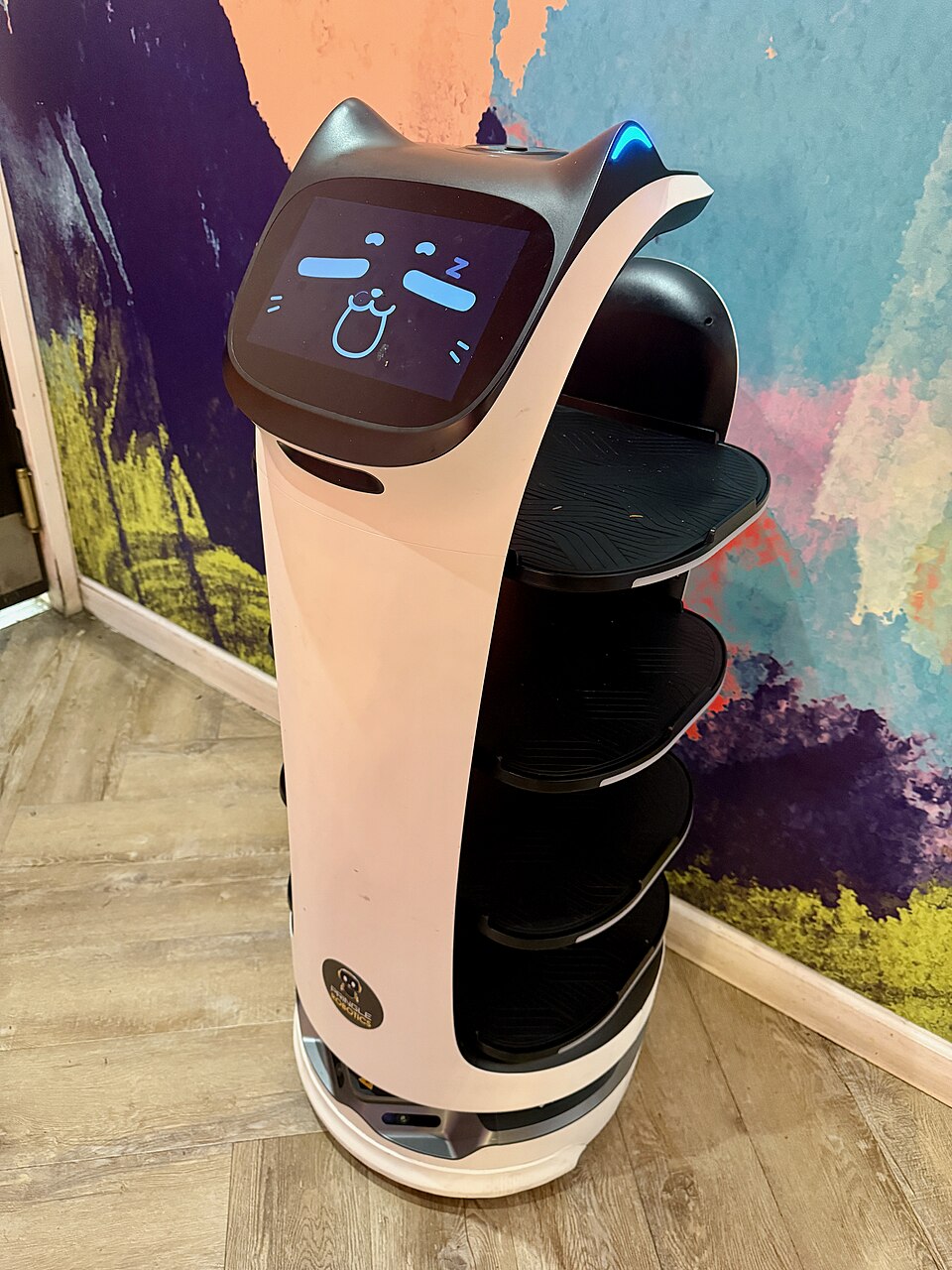
Keenon Service Robots for Commercial Use
Autonomous service robots for F&B, hotels, hospitals, and warehouses, food serving, in-room delivery, supply transport, document delivery with elevator/IoT integration.
Brands
Compare leading manufacturers
Covering manufacturers from Japan, Europe, China, and Taiwan.
Knowledge Hub
Latest articles
Factory AGV Prices: How Much Do They Cost? 2026 Update — Every Type Plus the Hidden Costs You Need to Know
AGV prices in Thailand 2026 across every type — tugger AGV, AGV forklift, AMR, G2P warehouse — with a breakdown of hidden integration costs, ROI, and how to choose the right fit for your factory.
Cleaning Robot Comparison 2026: Gaussian vs Pudu vs Avidbots — Which Is Worth It in Thailand?
A 2026 comparison of commercial cleaning robots: Gaussian Phantas vs Pudu BG1 vs Avidbots Neo 2 from every angle — specs, Thai-market prices, and area cleaned per hour.
AGV vs Forklift: Which Is Cheaper for Thai Warehouses in 2026?
Comparing AGV vs forklift for Thai warehouses in 2026 — 5-year TCO, ฿1.2–3.5M price range, 50% less labor, 80% fewer accidents, with a real case study from Amata Industrial Estate.
Cleaning Robots for Thai Airports & Hospitals 2026: How to Choose and Evaluate
Choosing a commercial cleaning robot for a Thai airport or hospital: the models actually sold here, price ranges, what to check before signing a PO, and how to work out ROI from your own numbers.
Warehouse Robots in Thailand 2026: AGV, AMR, or AS/RS — Which Fits Your Facility?
Warehouse robots in Thailand 2026 — a full comparison of AGV, AMR, and AS/RS across every brand including MiR, Geek+, and Quicktron, with prices from ฿850K–8M and a 24–36 month ROI for 3PLs.
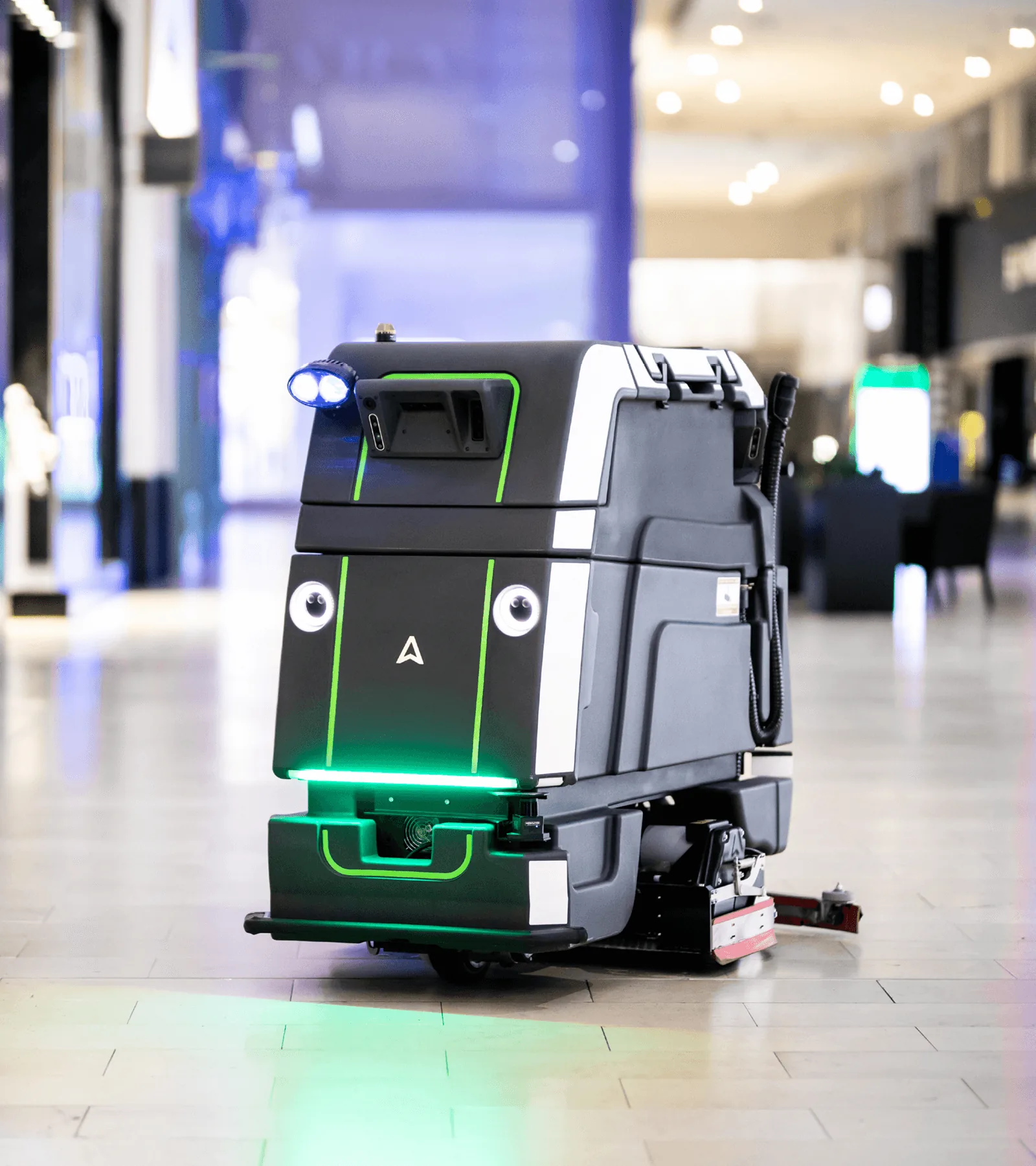
Factory Floor Scrubbers 2026: Walk-behind vs Ride-on vs Robot Scrubber — Thailand Prices + ROI
Compare electric walk-behind, ride-on, and robot floor scrubbers — Thai-market prices, ROI, and how to choose by floor area.
Not sure which robot fits your factory or warehouse?
Start with our selection guide, then compare specs against each model's approximate price range in the catalog. Free to read, no form to fill in.
Frequently asked questions
Do you sell robots?
No. We're an independent catalog and review site for the Thai robot market, covering AGV/AMR (autonomous material-handling robots), service, cleaning, and humanoid robots from 10+ leading brands, with specs, approximate price ranges, and real use cases side by side. Everything is free to read. Some store links are affiliate links, which may earn us a commission at no extra cost to you — see our affiliate disclosure.
What's the difference between AGV and AMR?
AGV (Automated Guided Vehicle) follows pre-defined paths using magnetic strips, laser guidance, or QR markers — best for fixed routes in factories. AMR (Autonomous Mobile Robot) uses SLAM and on-board sensors to plan paths dynamically and avoid obstacles — best for warehouses with changing layouts and shared spaces with people.
What's the typical ROI payback for material-handling robots?
Usually 1.5–3 years, depending on shifts, labor costs, and internal transport volume. Warehouses running 2–3 shifts with high pick/move volume pay back fastest. AMR price starts around THB 800,000–2,500,000 per unit depending on payload and capability.
What Thai businesses benefit most from service robots?
Restaurants and hotels use service robots for food delivery and guest guidance to reduce repetitive walking for staff. Hospitals deploy them for medication, supplies, and linen transport. Malls use them for wayfinding. Service robot price starts around THB 350,000–900,000 per unit; payback is fastest in front-of-house businesses with high labor costs.