humanoid
Humanoid & Quadruped Robots
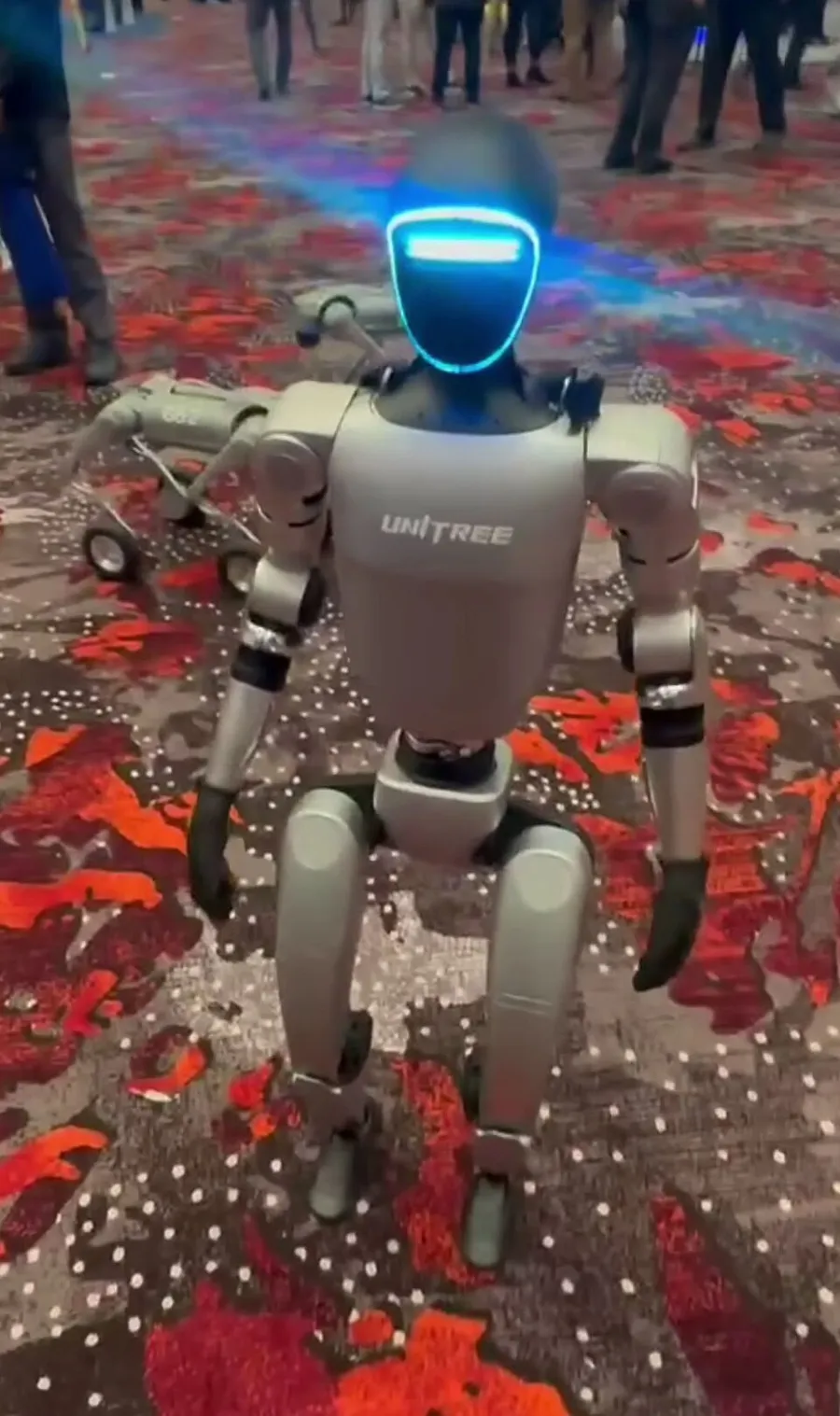
The 2026 frontier, Figure, Optimus, Unitree, and XPENG are entering factory pilots. Quadrupeds already ship for inspection.
Thai market range ฿1,500,000–12,000,000
Common use cases
- ▸ Material transport in mixed human-robot factories
- ▸ Inspection in hard-to-access areas
- ▸ Teleoperation demonstrations for AI training
- ▸ Safety and security patrol
- ▸ Hazardous-environment substitution (heat, chemicals)
The humanoid frontier in 2026
2026 marks the first large-scale humanoid deployments in real factories. Figure 02 is in BMW Spartanburg, Tesla Optimus Gen 3 in Fremont, Unitree H1 and XPENG Iron in several Chinese EV plants.
Why a human form?
- Zero infrastructure change, stairs, doors, tools, fixtures built for humans work for humanoids out of the box
- Task-flexible, one physical platform can handle transport, inspection, and light assembly with just a software update
- Teleoperation for AI training, human operators record demonstrations that train imitation-learning models
Current limitations
- Battery runtime, 3–5 hours per charge, insufficient for full-shift work
- Hand dexterity, dexterous manipulation of small parts is still weaker than human fingers
- Price, ฿1.5M+ today, falling fast as Chinese vendors scale
Quadrupeds: the practical use case today
- Unitree Go2, B2, patrol and inspection
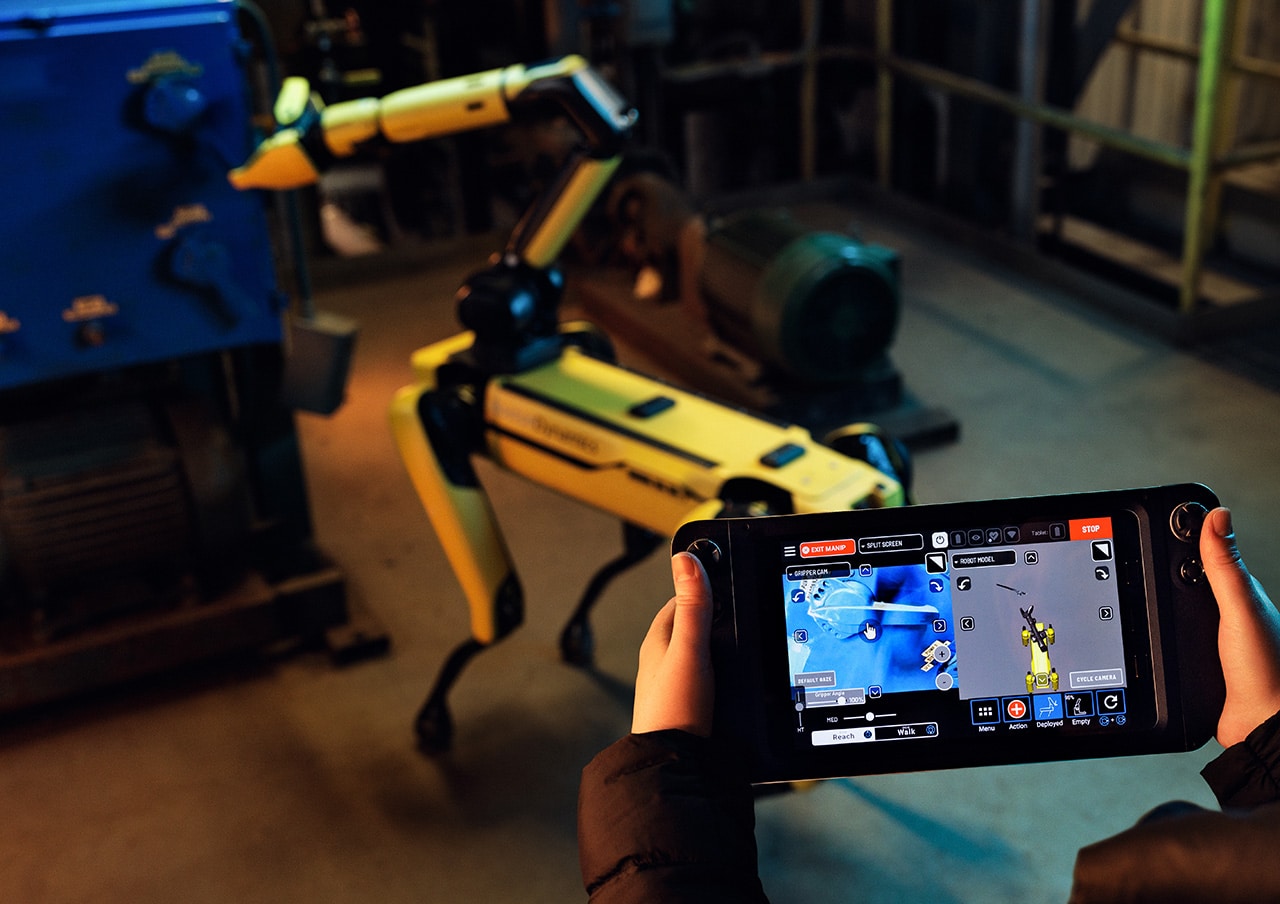
- Boston Dynamics Spot, power plants, oil & gas, offshore
- Deep Robotics X20, X30, heavier payloads for inspection
Quadrupeds are the one mobile-robot class useful today for places humans cannot easily reach, pipelines, sub-stations, roof inspection, confined spaces.
When should a Thai factory expect to deploy humanoids?
- 2026–2027, R&D and pilot projects at very large factories
- 2028–2030, operational deployments at Tier-1 automotive and electronics
- 2031+, SME-accessible price points (under ฿500K)
Comparing platforms
Independent head-to-head: Unitree vs Boston Dynamics · thinking about a pilot? Should you try a humanoid?