Cleaning Robots for Thai Warehouses and Factories: 2026 Buying Guide
Avidbots Neo 2 vs Gaussian Scrubber 75 vs Pudu BG1 Pro vs AgiBot C5, Thai pricing, ROI on 30,000–50,000 m² facilities, payback 21–32 months.
TL;DR for Thai factory directors
For Thai warehouses and factories with 15,000+ m² and 2× daily cleaning cycles, autonomous cleaning robots pay back in 21–32 months depending on floor type.
Thai market pricing:
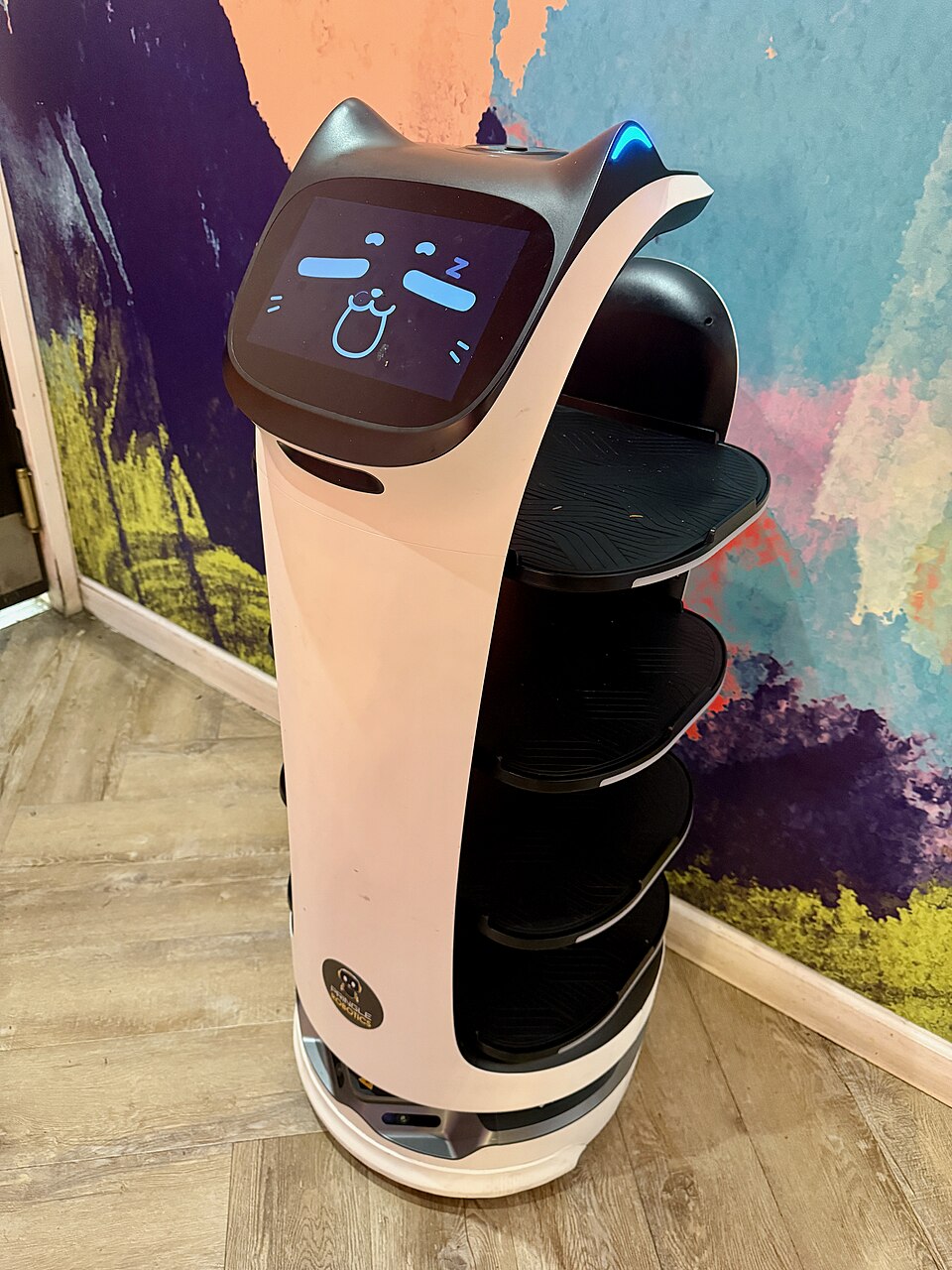
- Pudu BG1 Pro (China) ~฿1.2–1.8M, best value, longest runtime (7.5 hr)
- AgiBot C5 (China) ~฿1.5–2.0M, fastest 4-minute self-clean cycle
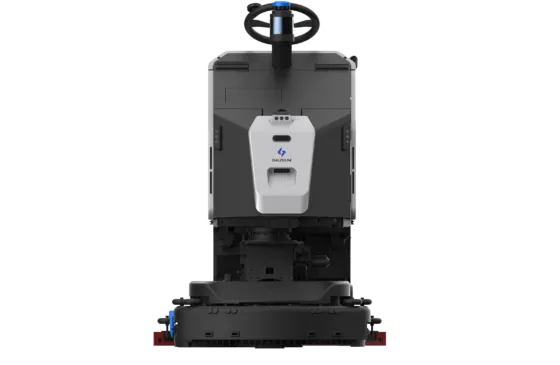
- Gaussian Scrubber 75 (Singapore/China) ~฿2.0–2.8M, best SEA service network
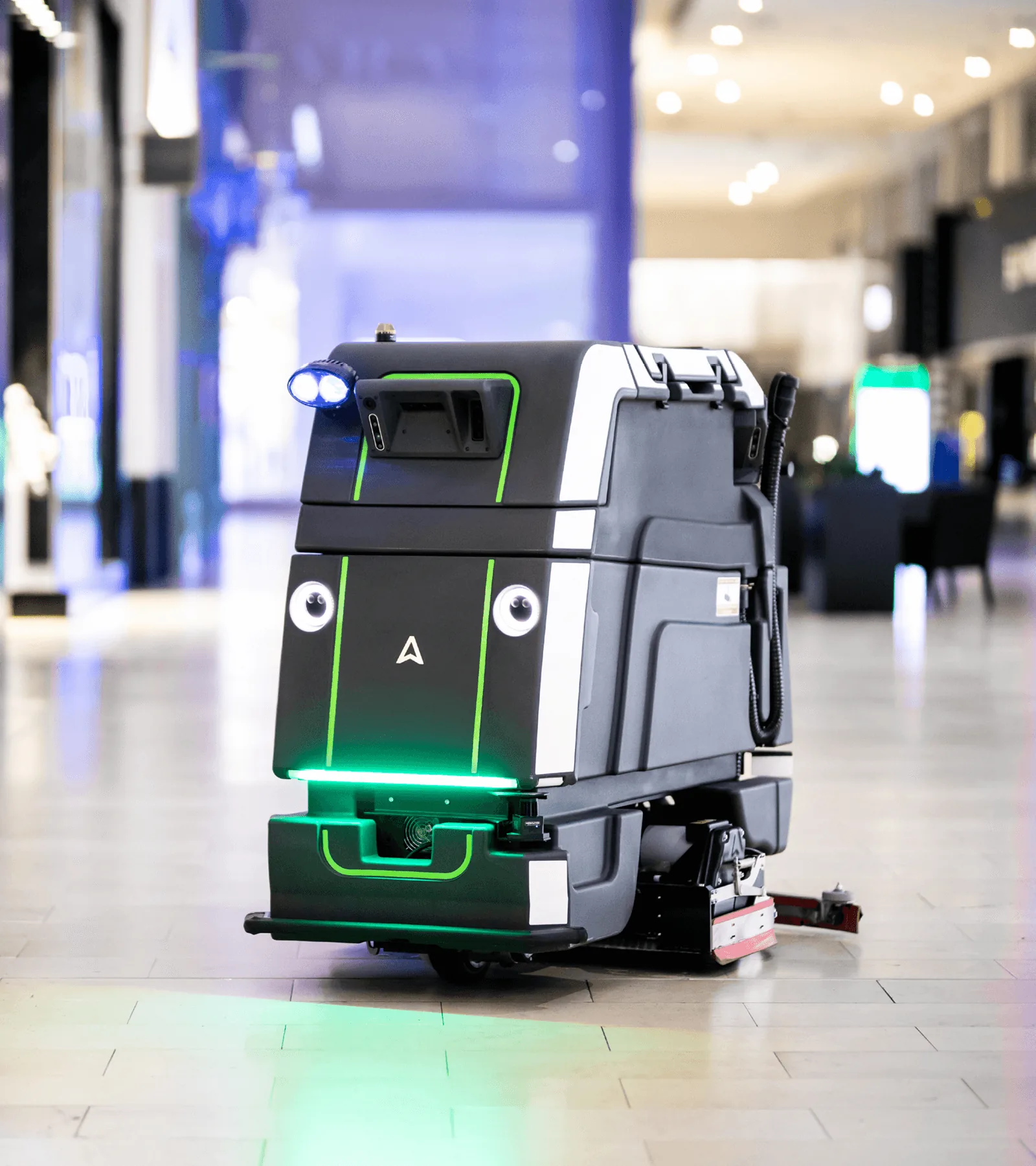
- Avidbots Neo 2 (Canada) ~฿2.8–4.0M, premium choice for MNC audits
One question to answer before purchase: is the floor flat to ±5 mm over 3 m? If not, hand cleaning remains the practical choice.
Why Thai factories are now investing in cleaning robots
2025–2026 is the tipping point for this category in Thailand. Four drivers:
1. Labor scarcity + rising wages
The 2026 minimum-wage policy pushes industrial-zone cleaner wages to ฿16,000–20,000/month (with OT). Some EEC factories now pay ฿22,000+ and still struggle to staff.
2. Bigger factory footprints
Tier-1 EV factories (Foxconn, BYD, GAC) being built in Thailand have 30,000–80,000 m² floor areas, beyond the consistent reach of 8–12 cleaners.
3. Stricter audit standards
IATF 16949 (automotive), GMP (pharma), HACCP (food), ISO 14644 (cleanroom), every audit demands an inspectable cleaning log. Robots generate this automatically.
4. 24/7 production lines
Electronics, semiconductor, and food factories run 24 hours, cleaning windows shrink to 15–30 minutes between shifts.
For category fundamentals, see Cleaning Robots, Product Overview.
Robot types suited to factory/warehouse work
1. Floor scrubber (wet scrub)
The dominant category, 80% of factory deployments, because most factory floors are epoxy or sealed concrete that need wet scrubbing.
- Avidbots Neo 2, leader at DHL, Walmart, FedEx warehouses
- Gaussian Scrubber 75, Changi Airport T4, Marina Bay Sands deployments
- Pudu BG1 Pro, the model Pudu positions specifically for factory and warehouse floors
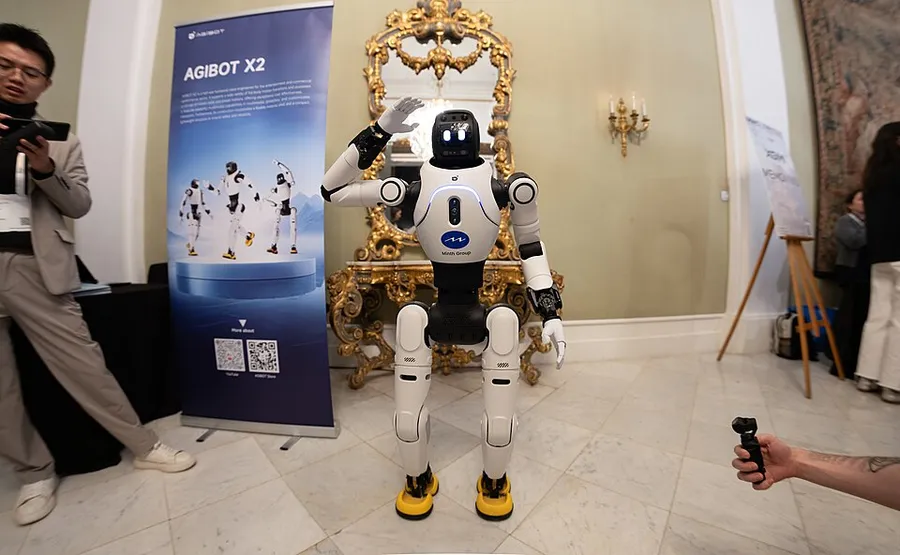
- AgiBot C5, SAIC EV, GAC factories early adopters
2. Sweeper (dry sweep)
For warehouses with paper or dust debris:
- Tennant T7 AMR (USA), premium
- Karcher KIRA B 50 (Germany)
- Brain Corp + ICE Cobotics retrofit walk-behind
3. Hybrid (scrub + sweep + vacuum)
- Keenon Kleenbot C40, offices + retail
- Gausium Scrubber 75 + sweeper attachment
4. Cleanroom-specific (ISO Class 5–7)
- Avidbots Neo 2 cleanroom edition, semiconductor/pharma
- Pudu BG1 cleanroom, entry-level cleanroom
- Requires HEPA + ESD-safe + no outgassing
See Avidbots for premium tier details and Pudu Robotics for the value tier.
For a three-way spec and price comparison built for factories, see Pudu CC1 vs Gausium Phantas vs AgiBot C5.
Comparing the 4 most popular models in Thailand (2026)
| Avidbots Neo 2 | Gaussian Scrubber 75 | Pudu BG1 Pro | AgiBot C5 | |
|---|---|---|---|---|
| Country | 🇨🇦 Canada | 🇸🇬 Singapore/CN | 🇨🇳 China | 🇨🇳 China |
| Clean water tank | ~95 L | 80 L | 75 L | 90 L |
| Cleaning width | 710 mm | 750 mm | 550–708 mm | 550 mm |
| Cleaning rate | ~1,500 m²/hr | ~2,500 m²/hr | 2,000 m²/hr | 1,980 m²/hr |
| Runtime | 5–6 hr | 6–8 hr | 7.5 hr | 3 hr |
| Wastewater self-clean | ✅ | ✅ | ✅ | ✅ 4 min (fastest) |
| Cleanroom edition | ✅ ISO 5 | ❌ | ✅ ISO 7 | ❌ |
| Forklift detection | ✅ premium | ✅ | ✅ | ✅ |
| Cloud fleet | Avidbots Cloud | Gaussian Cloud | Pudu Bridge | AgiBot Center |
| Thai service | Partner | Full (SG HQ) | Reps + online | Distributor |
| Thai pricing (THB) | ฿2.8–4.0M | ฿2.0–2.8M | ฿1.2–1.8M | ฿1.5–2.0M |
Decision rule of thumb:
- Tight budget + fast ROI → Pudu BG1 Pro
- MNC audit-grade requirements → Avidbots Neo 2
- Need fast SEA service response → Gaussian Scrubber 75
- Fastest wastewater self-clean (food/pharma) → AgiBot C5
3 real ROI case studies
Case 1: 30,000 m² e-commerce warehouse
A 3PL zone in WHA Eastern Seaboard, cleaned twice daily:
Pre-robot monthly cost:
| Item | Cost |
|---|---|
| 12 cleaners × ฿18,000 | ฿216,000 |
| Cleaning chemicals | ฿15,000 |
| Water + power | ฿8,000 |
| Total | ฿239,000/month |
Post-robot (2 × Pudu BG1 Pro):
| Item | Cost |
|---|---|
| Capex 2 × ฿1.5M | ฿3.0M one-time |
| 4 staff × ฿18,000 | ฿72,000/month |
| Auto-dosing chemicals (–30%) | ฿10,000/month |
| Service contract | ฿12,000/month |
| Total operational | ฿94,000/month |
Result:
- Saves ฿145,000/month = ฿1.74M/year
- Payback ~21 months
- 5-year ROI = ฿8.7M – ฿3.0M = ฿5.7M net gain
Case 2: 50,000 m² automotive factory
Specific challenge: engine oil + metal shavings + grinding dust
- Use scrubber + sweeper combo
- Degreaser + wastewater filtration
- Brushes wear 30–40% faster than baseline
- Capex ฿4.5M (Gaussian Scrubber 75 + Tennant sweeper)
- Payback ~28–32 months
Case 3: 8,000 m² cold storage (-20°C)
Frozen-food 3PL:
- Battery efficiency drops to ~50% of rated runtime
- Gaussian Scrubber 75 + anti-freeze cleaning fluid
- Watch for ice patches on the floor
- Capex ~฿2.5M
- Payback ~26 months (smaller area but cold-storage labor is ~25% more expensive)
Common mistakes to avoid
Buying on price without checking service network
Chinese brands save 30–50%, but if a part takes 4 weeks to arrive from Shenzhen, the downtime cost wipes out the savings.
Fix: Lock in a 48-hour service SLA before signing PO.
Skipping floor flatness checks
Older Thai factories often have ±10–15 mm flatness over 3 m, robots clean inconsistently or stall.
Fix: Laser-level the floor before purchase. If it fails, scarify/grind first (~฿200–400/m²).
Ignoring Wi-Fi coverage
Cloud fleet management requires constant connectivity. Wi-Fi dead zones inside warehouses break scheduling.
Fix: Audit Wi-Fi coverage in advance. Add APs as needed (~฿15–30K per AP).
No supervisor staff
Robots cover ~80%; the remaining 20% (under racks, corners, stairs) still needs a person.
Fix: Keep 1–2 supervisors per facility, reduce to one-third of original headcount, not zero.
Forgetting consumables cost
Brushes 2–3×/year, filters 4×/year, totals ฿20–40K/year/unit.
Fix: Add to 5-year TCO when calculating ROI.
6-step purchase process
- Site audit, measure flatness, locate water/power, Wi-Fi survey, doorway dimensions
- Calculate ROI baseline, current labor cost, cleaning frequency, area, shift count
- Quote 2–3 vendors, request live demos on-site
- 30-day pilot, most vendors offer 1–2 month trials
- Negotiate service contract, SLA, parts inventory, training
- Deploy + KPI tracking, cleaning logs, downtime, water/chemical usage
Bottom line
Cleaning robots for Thai factories and warehouses are no longer “future tech”, they deliver proven ROI in 21–32 months for 15,000+ m² facilities.
Budget-based recommendations:
| Budget | Recommended |
|---|---|
| < ฿1.5M | Pudu BG1 (not Pro) |
| ฿1.5–2.0M | Pudu BG1 Pro or AgiBot C5 |
| ฿2.0–3.0M | Gaussian Scrubber 75 |
| ฿3.0M+ | Avidbots Neo 2 (premium MNC) |
Next step: Read the 5-Step Robot Selection Guide for the full decision framework, and see Gaussian Robotics for the brand with the strongest direct service in Thailand.
Related FAQ
What facility size justifies a cleaning robot?
From 15,000 m² and up, especially with 2+ daily cleaning cycles. Below 5,000 m², outsourced cleaning remains cheaper.
How do Chinese brands compare to Western brands?
Chinese brands (Pudu, AgiBot, Gaussian) cost 30–50% less than Avidbots/Brain Corp but have thinner local service networks. Western brands target premium MNC accounts with full SLAs.
Can cleaning robots operate in -20°C cold storage?
Yes, but battery efficiency drops to ~50% of rated runtime and you need anti-freeze cleaning fluid. Capable models: Gaussian Scrubber 75 (-10°C), Avidbots Neo 2 cold-pack edition.
How does ROI differ between automotive and e-commerce?
Automotive has oil + metal shavings causing brushes to wear 30–40% faster. Payback: e-commerce ~21 months, automotive ~28–32 months.