AGV vs AMR, Choosing Automated Material Handling in 2026
AGV (Automated Guided Vehicle) vs AMR (Autonomous Mobile Robot) for Thai factories and warehouses. Navigation differences, pricing, and recommended vendors.
AGV vs AMR in one sentence
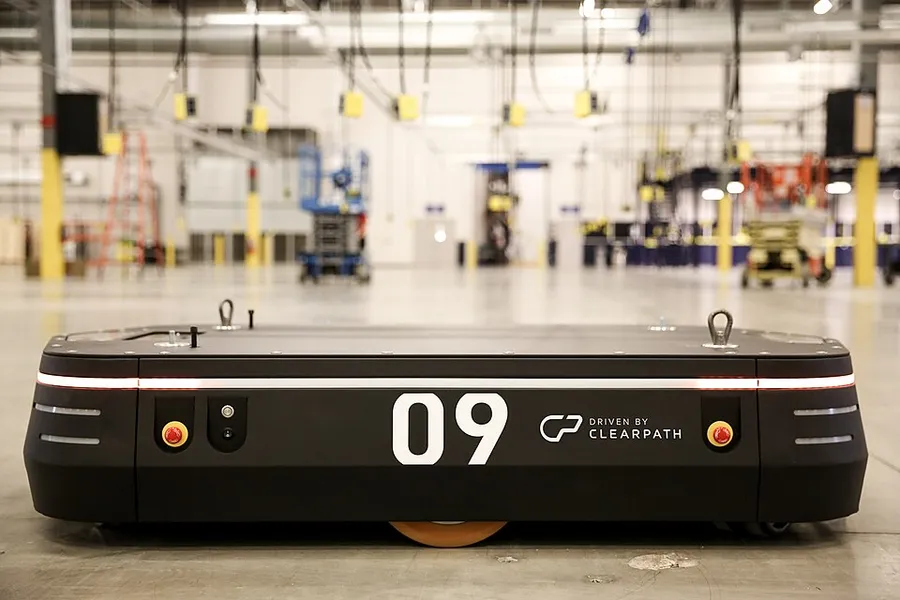
An AGV follows a fixed, pre-defined route. An AMR thinks for itself and plans its own path.
AGV, automated guided vehicle
Uses one of these navigation methods:
- Magnetic tape on the floor
- Inductive wire buried in the floor
- Laser reflectors mounted on walls
- QR codes at checkpoints
Good for predictable, high-traffic, fixed-layout environments. Loses flexibility.
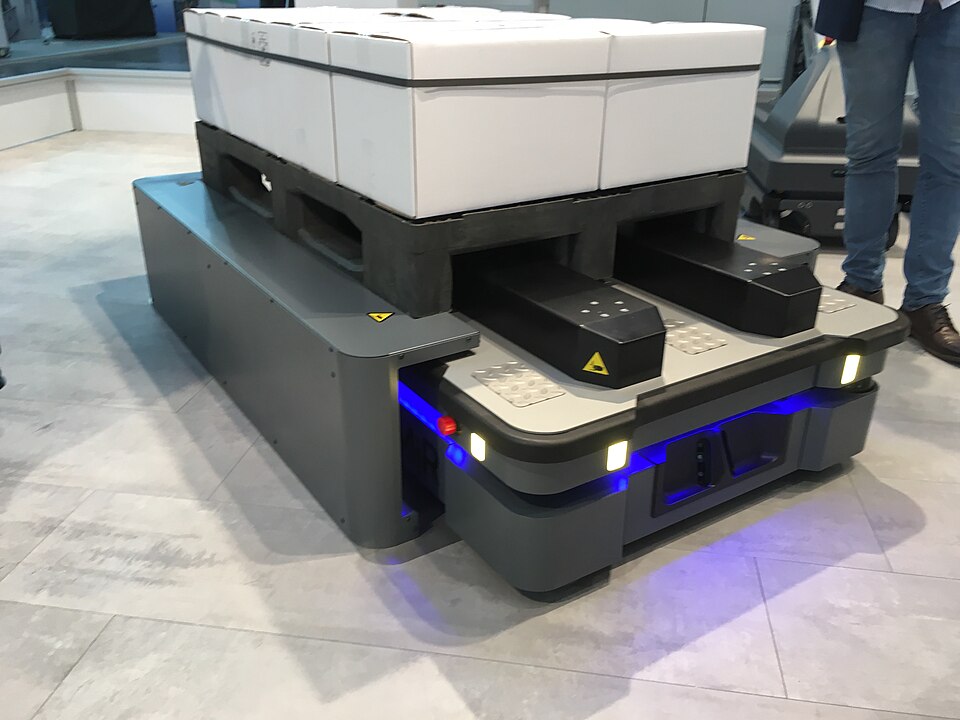
AMR, autonomous mobile robot
Uses:
- SLAM (Simultaneous Localization and Mapping)
- LiDAR + IMU + wheel odometry
- Dynamic path planning with real-time obstacle avoidance
Re-map the space via software instead of re-taping the floor.
Full comparison
| AGV | AMR | |
|---|---|---|
| Navigation | Pre-defined | Self-planned via SLAM |
| Obstacle avoidance | Stop and wait | Replan around the obstacle |
| Infrastructure setup | Tape, wire, reflectors | None |
| Layout changes | Hard (re-tape floor) | Easy (software remap) |
| Entry cost per unit | ฿800K–฿1.5M | ฿1.5M–฿3.5M |
| Best for | Fixed layout, dedicated route | Dynamic warehouse, mixed traffic |
| Top vendors | Toyota, Seegrid, Swisslog, Elettric80 | OMRON LD, MiR, Geekplus, Quicktron, Fetch |
Thai market use cases
Automotive (Eastern Seaboard)
- Toyota Ban Pho, Toyota Gen III AGVs on the engine line (400+ units)
- AAT Prachinburi, OMRON LD AMRs for parts delivery
Electronics (Laem Chabang)
- Western Digital, MiR 250 AMRs in cleanroom
- Seagate Korat, magnetic-tape AGVs
E-commerce warehousing
- Lazada Bang Na, Geekplus G2P shelf-to-person
- Shopee SRC, Quicktron M-series
- JD Central, HIKRobot fleet
Hospital
- Large hospitals — moving blood, pharmacy items and linen between floors with elevator-integrated AMRs. We do not name hospitals here: none of them publish which system they run.
Thai pricing (2026)
| Class | Price range |
|---|---|
| Small AGV (500 kg payload) | ฿800K–฿1.2M |
| Mid AGV (1,500 kg payload) | ฿1.2M–฿2.0M |
| AGV forklift | ฿2.5M–฿4.5M |
| AMR (100–300 kg) | ฿1.5M–฿2.5M |
| AMR (500–1,500 kg) | ฿2.5M–฿4.5M |
| G2P warehouse solution (20+ units) | ฿15M–฿40M |
Pre-install checklist
Floor condition
- Flatness ±3 mm in 3 m
- No cracks, no large expansion joints
- Anti-static for cleanrooms
Wi-Fi infrastructure
- 100% coverage of operating area
- Seamless AP handoff (< 100 ms)
- One AP per ~400 m²
Safety
- ISO 3691-4 compliance
- Clearly defined pedestrian zones
- E-stop at every station
Software integration
- WMS (warehouse management)
- MES (manufacturing execution)
- ERP sync
ROI example
E-commerce warehouse ~3,000 m² with 20 pickers:
- Labor: 20 × ฿22,000 = ฿440,000/month
- AMR G2P investment: ~฿20M (robots + shelves + software)
- Picker headcount drops 20 → 8: saves ฿264,000/month
- Throughput increases 3–5× (additional revenue)
- Payback: 3–5 years (slower than robot arms, but operational leverage is much larger)
Related FAQ
Is an AMR always a better choice than an AGV?
No. AGVs work well when the floor layout is fixed and traffic is predictable. AMRs are better for warehouses where the layout changes frequently and humans and robots share the same area. AGVs are also 30–50% cheaper.
Does using AGVs or AMRs in Thailand require any licenses?
For internal factory or warehouse use, no vehicle license is needed. You do need to comply with ISO 3691-4 safety standards and conduct a risk assessment per Ministry of Labour regulations (B.E. 2565).